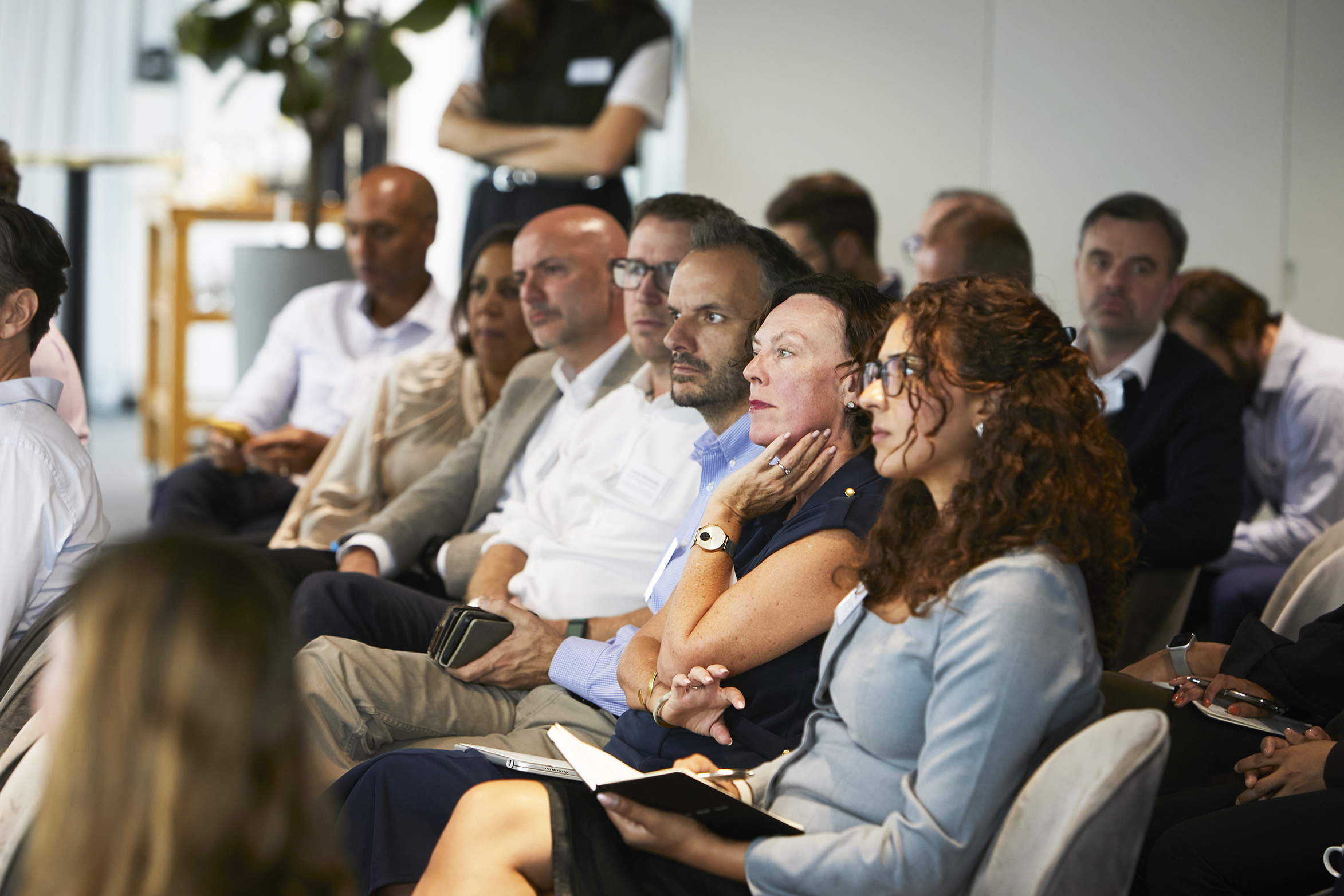
An invitation-only gathering of NHS and central government leaders, co-hosted by Doccla, General Catalyst and Sword. London, 15 September 2026.
Something had changed since the last time a room like this met. Nobody argued about whether proactive care works. Across five panels and a full room of chief executives, ICB leaders and senior civil servants, not one person stood up to question the premise.
The entire morning was spent on the harder question: how you do it at the scale that actually moves a system, and how you pay for it. That is a different conversation from the one the NHS was having two years ago, and a more useful one.
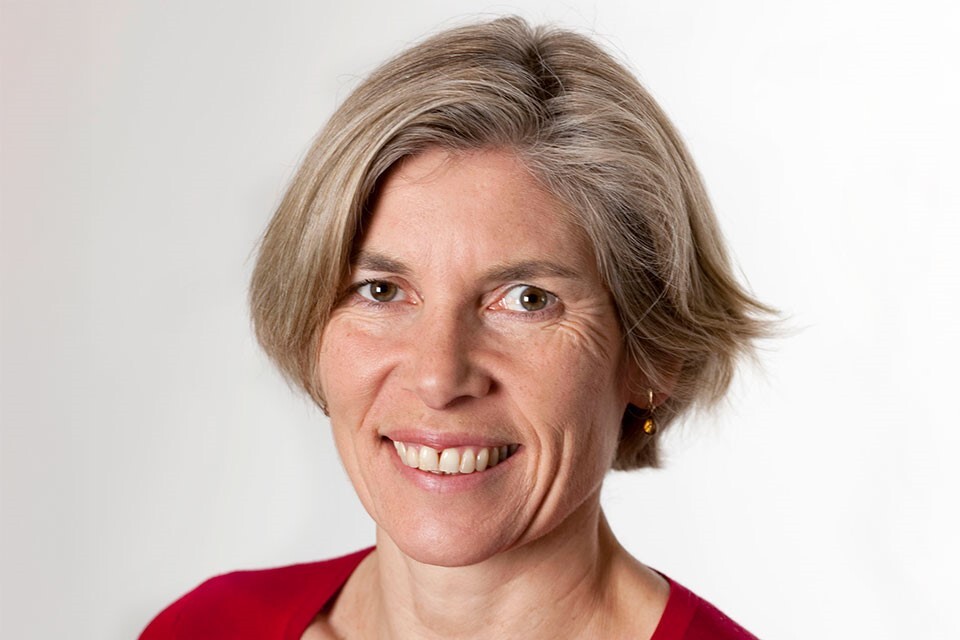
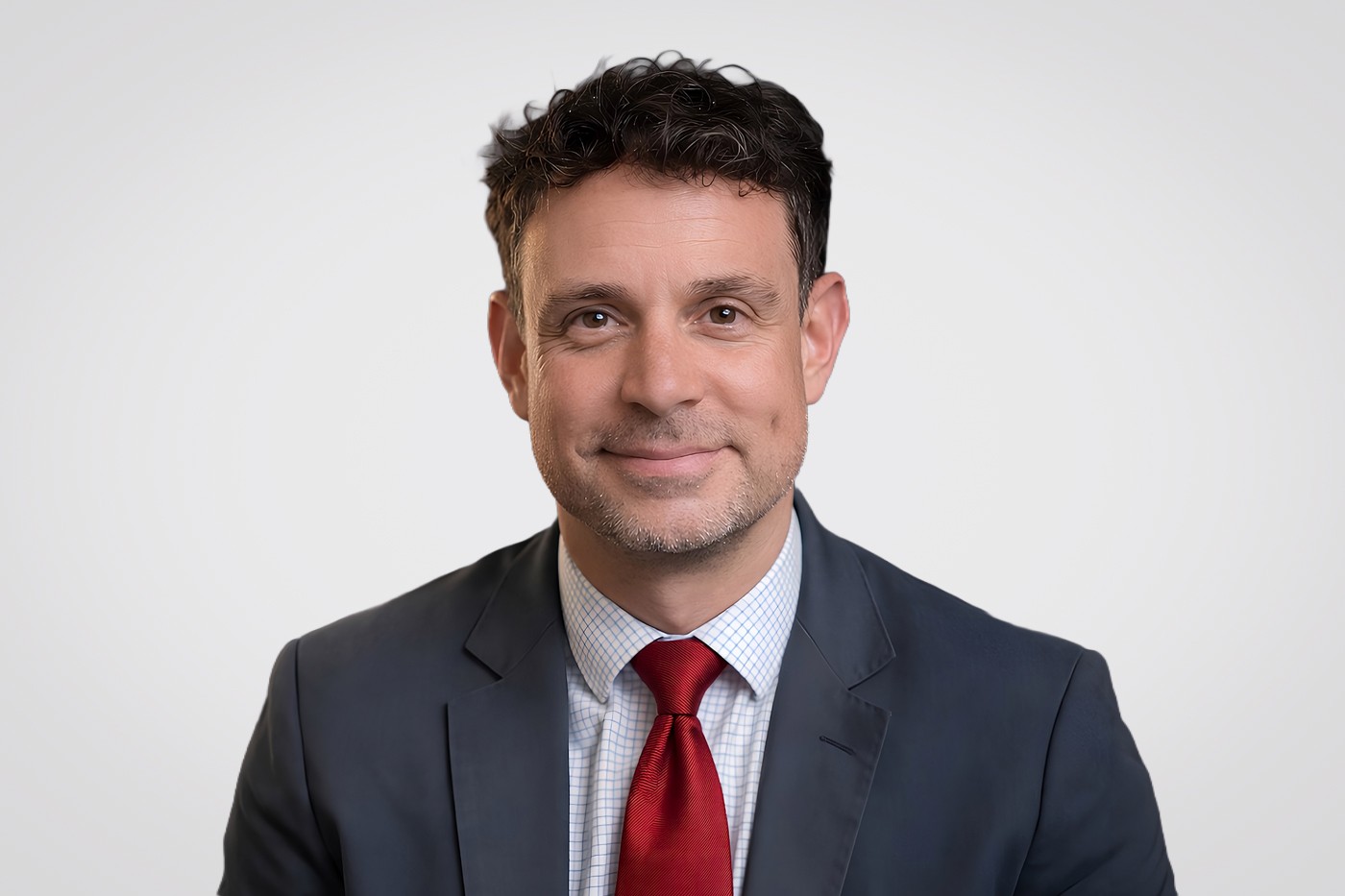
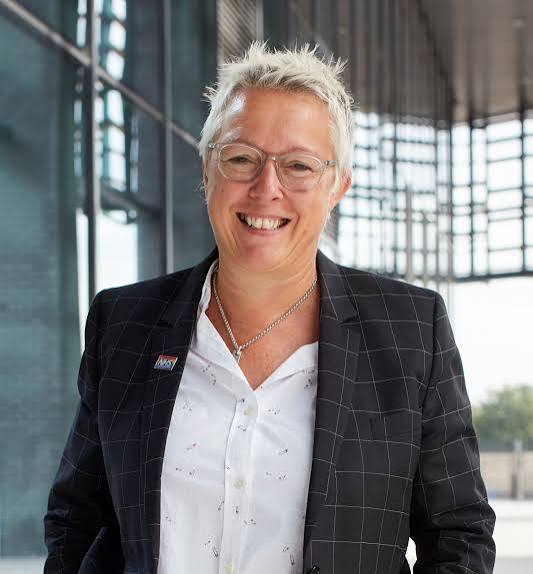
Speakers

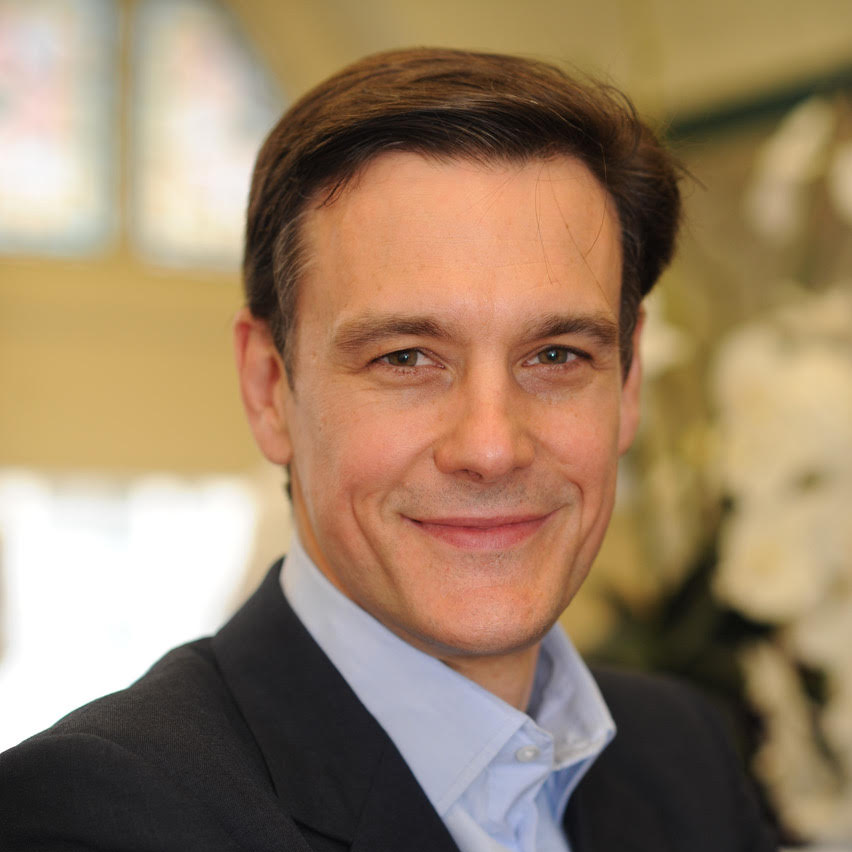


.jpeg)
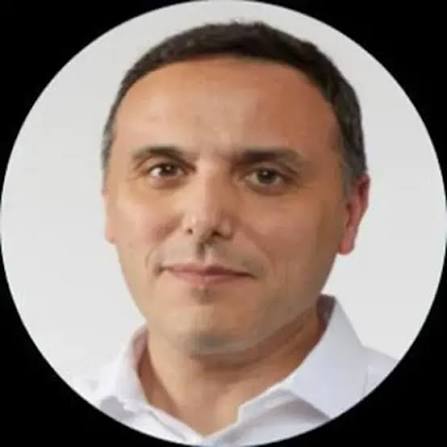
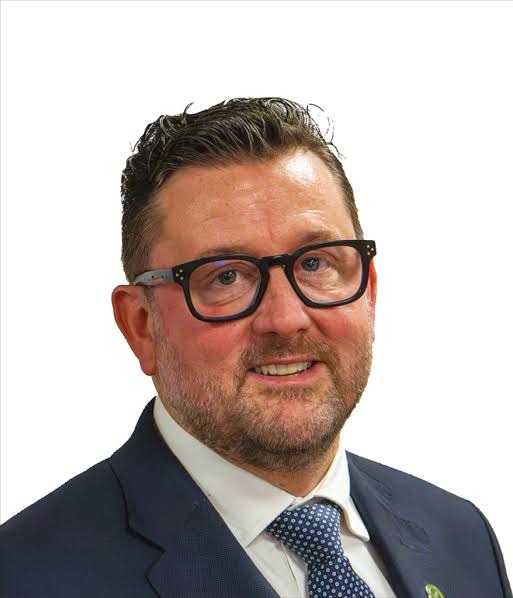
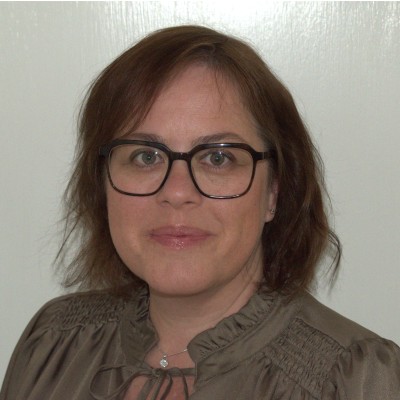
Six topics from the morning
1. Finding the patients was never the hard part
Every system represented could already identify its high-risk cohort. Risk stratification is mature, the data exists, and the analytics are not what is holding anyone back.
What stalls programmes is everything after the list. Reaching those people, persuading them to take part, getting devices to them, and keeping them engaged over months rather than weeks. Several people described programmes that had produced an excellent cohort and then converted almost none of it.
“You can’t force people into proactive care. You have to invite them into proactive care.”
Patricia Wynn, Managing Director, Proactive Care, Doccla
That is a delivery discipline, and it is a different job from analytics. It needs an outreach function, multiple channels, and enough persistence to keep going after the first three attempts fail.
2. Money is not the constraint. Something that works at scale is.
This was the most striking agreement of the morning, because it came from both sides of the table at once.
“They think that the money’s the most difficult thing. I’ve said no. Getting a product that works, that you’re happy with, that operates at scale is the most challenging thing. I’ll get the money to work behind.”
A chief financial officer, large acute trust
From the investment side, the same conclusion arrived from the opposite direction: capital is available for models that reduce cost and release capacity, and the binding constraint is proof rather than funding. An NHS finance director and a capital provider agreeing that money is not the problem is not the conversation most people expect to have about prevention.
There was a caveat, made more than once. Being able to measure a reduction is not the same as being able to convert it into money actually taken out of a system. That gap came up repeatedly and nobody claimed to have closed it.
3. A neighbourhood may be too small to carry population risk
There was near-total agreement that a neighbourhood of thirty to fifty thousand people is the wrong unit for proactive care. The maths does not work, the variation is too great, and the effect disappears into noise.
An acute chief executive put the scale question in the plainest terms anyone managed all morning: the only way to take cost out is to close a ward, and a ward is thirty beds, so the service has to be capable of removing thirty beds of demand as a minimum. Anything smaller is an improvement, not a saving.
The framing that drew most agreement was that this is not hospital against community. One hospital clinician made the case that a sector this fragmented cannot integrate itself by dividing into camps, and that money only helps when it is pointed deliberately at the things that join services up rather than simply moved between budgets. Scale and connection, on that account, are the same problem.
4. A pilot is a licence to stop
“A pilot is a licence to stop, isn’t it?”
A GP and primary care network leader
The line drew a laugh and then a pause, because everyone in the room had been part of one. The frustration was not with piloting as such. It was with a system that treats a successful pilot as a completed piece of work rather than as the beginning of an implementation, and that has no mechanism for turning one into the other.
The counter-argument was made fairly: you cannot start at scale, and something has to be tested first. The distinction that emerged was between a pilot designed to answer a question and a pilot designed to demonstrate activity. The first has a decision attached to it. The second does not.
5. Bed days are the wrong currency, and everyone knows it
“We’re using the currency of bed days because that’s the currency we all understand. But we can’t mean bed days. We have to think much more broadly than that.”
A community provider chief executive
Bed days are legible, comparable and universally understood, which is exactly why they persist. They are also a proxy for something nobody is measuring directly: how many people were kept out of crisis, how many deteriorations were caught early, how much of a person’s year was spent well rather than in a hospital.
The honest position in the room was that the sector does not yet have a better currency, and that until it does, proactive care will keep being evaluated against a measure that understates what it does.
6. Transformation has to run alongside the system, not inside it
Several people made versions of this argument, and it is the one with the most practical consequence.
You can improve an existing pathway from inside it. Genuine transformation is different, because the system absorbs and normalises it. So you run it as a separate thing, deliberately to one side, at enough volume that the results become difficult to argue with, and then the rest follows.
“You’re doing something to one side to get enough volume to then convince everyone that it’s going to work.”
A regional director, NHS England
The implication is uncomfortable for anyone hoping proactive care can be delivered as an adjustment to business as usual. On this account it cannot, and the attempt to do so is a large part of why so many programmes stall.
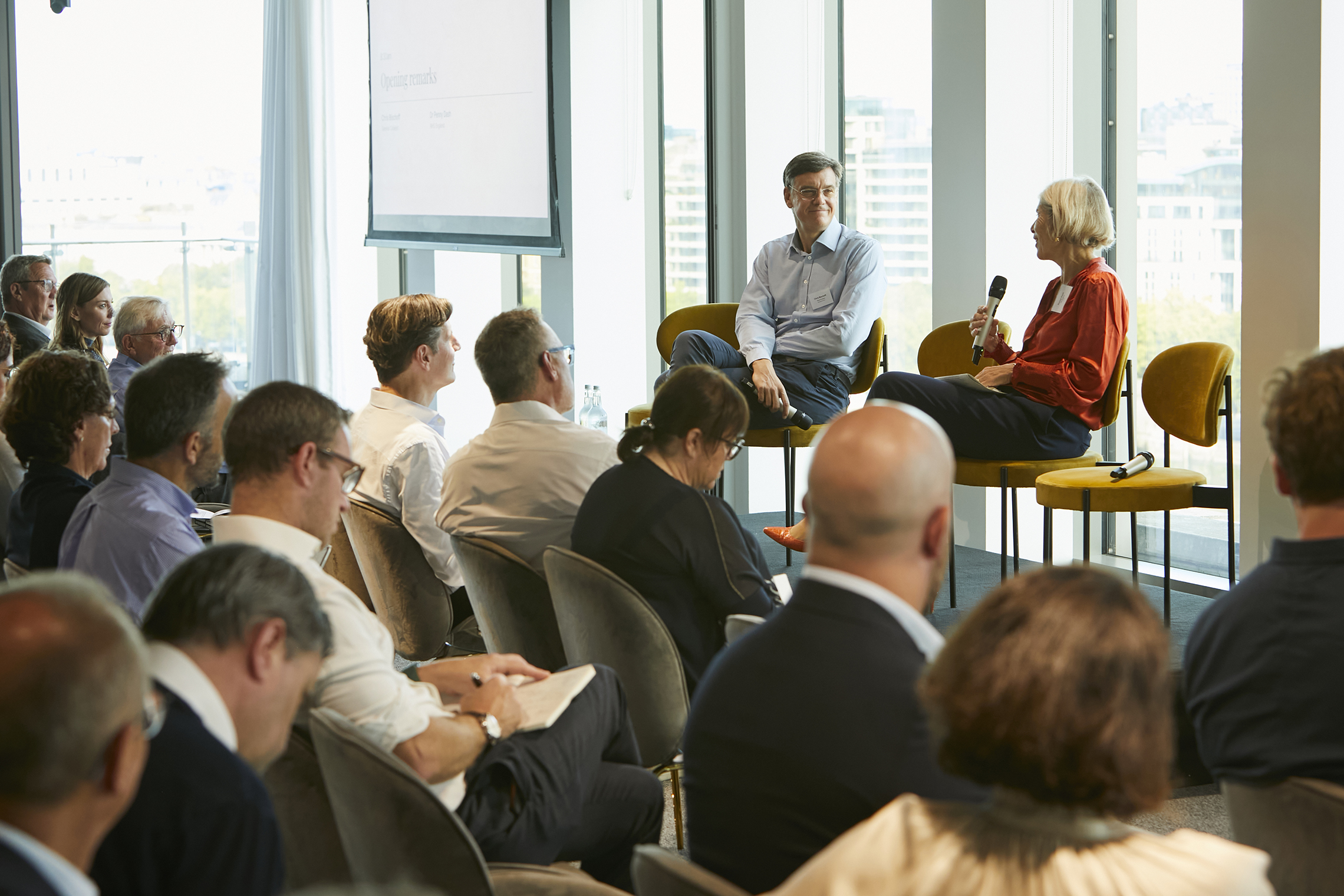
Thank you to everyone who spoke, to our co-hosts General Catalyst and Sword, and to everyone who came and made it a conversation.
If you'd like to be in the room for the next event, get in touch.

.png)