
Redefining Proactive Care in the NHS
When I joined Doccla in September 2025, we set out with a clear, ambitious goal: to move beyond reactive medicine and build a proactive care model that truly enables the "left shift." We spent months building the methodology, combining Doccla's deep experience in virtual wards and hospital at home with international best practice in population health management and proactive care.
On the 26th of January, we launched our Proactive Care at Scale programmes. Today, just over two months later, I am incredibly proud to share that we have reached our first 1,000 patients.
Moving from small-scale pilots to proactive care at scale
I moved from the US to work in the NHS 15 years ago. I was motivated by what I saw as a broken American healthcare system and the promise that the NHS could be different in how it focused on proactively keeping people well across their lifespan. Since then, my professional life has centred on a single question: How do we move care out of the hospital and into the community to prevent a crisis before it happens?
Across my career, I've seen many proactive care pilots come and go, but what we launched in January feels different. We are focused on enabling proactive care for the "top of the risk pyramid", those living with conditions like heart failure, COPD, CKD, and diabetes who have already faced hospital admissions (most are multi-morbid living with multiple long term conditions). We are providing a safety net that simply didn't exist before. We aren't waiting for a crisis; we are identifying persistent risks and intervening before they result in a non-elective admission. And we're doing so at scale and pace. Doccla provides the full end-to-end service: clinical monitoring, patient enrolment, and the care infrastructure that sits between them, so NHS teams can focus on care, not coordination.
Our timing is right in line with national policy direction. This week, NHS England CEO Sir Jim Mackey wrote to every ICB and trust chief executive calling for "a step-change in reducing hospital bed-days for highest-risk cohorts - with neighbourhoods playing a central role in implementing proactive care models for high-risk groups." That is exactly where we’re focused and can supercharge ICB plans by leveraging tech-enabled proactive care at home.
How it works in practice
We start with intelligence and analytics, risk stratification using population health data, to identify those at the highest risk. Then, we reach out in a way that feels personal. By using technology to handle the "nudges," our team can spend their time having the meaningful, high-value conversations that actually welcome a person into a programme based on what matters to them.
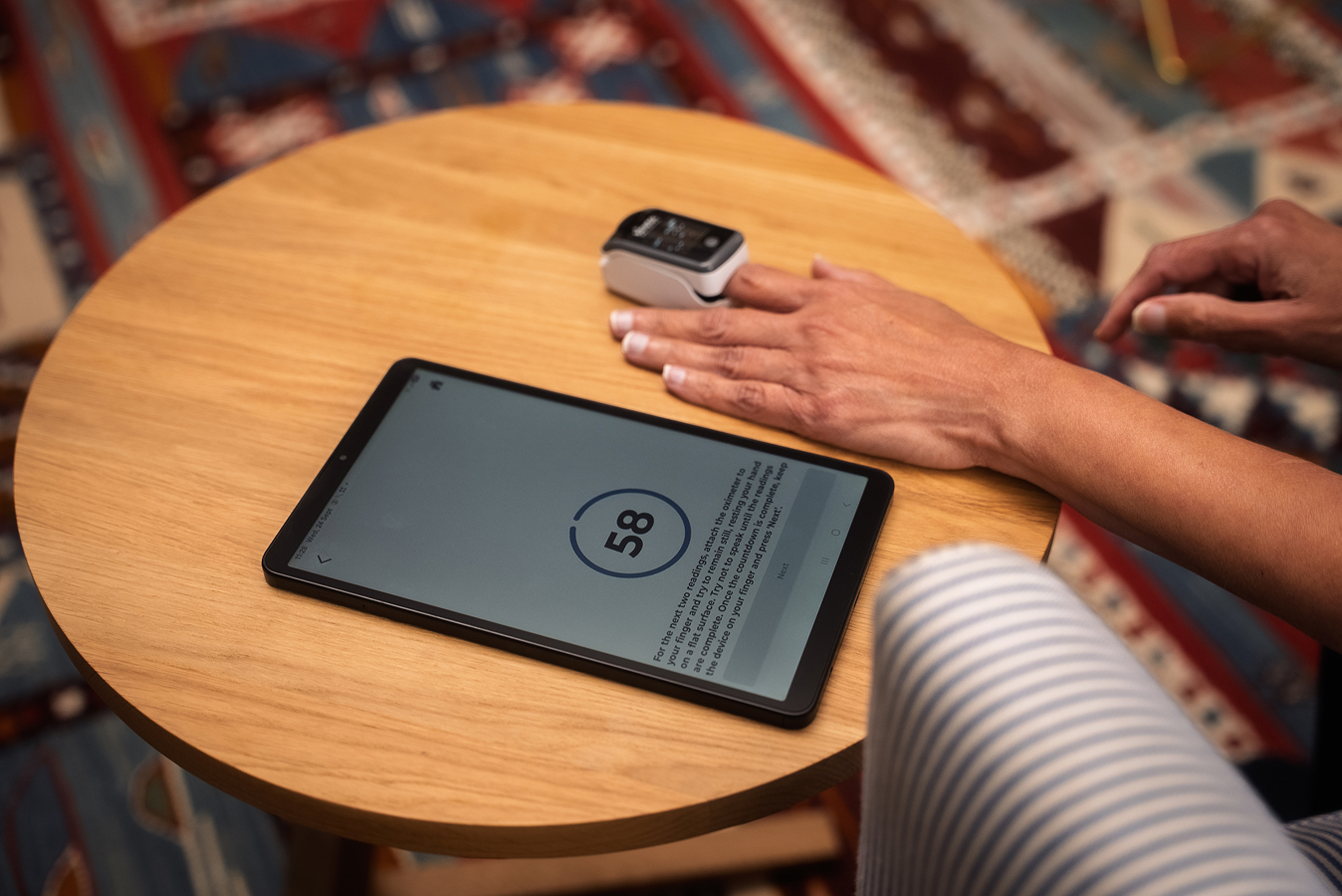
Once they are with us, Doccla provides the clinical monitoring infrastructure — blood pressure monitors, thermometers, and pulse oximeters — combined with regular qualitative health questionnaires and 24/7 oversight from our clinical team. But the devices are not the point; they are the "engine" that powers everything else:
- Targeted Medicines Management: Our clinicians don't have to guess; they can adjust and titrate medications based on a patient's actual physiological data and adherence questionnaires - right from the patient's home.
- Personalised Care Plans and Empowered Health Coaching: Our coaches support people using their own data to set meaningful goals they can work towards. When a patient can see their own results in their app, our coaches can help them understand their "early warning signs" and stay ahead of a decline - putting them in control of their own care.
- Smarter Escalations: If someone feels unwell, our multidisciplinary team has a longitudinal view of their data. If they need to go back into the wider NHS, that next doctor isn't starting from scratch - they have a full history of what that patient's "normal" looks like.
Breaking the "tech-averse" myth
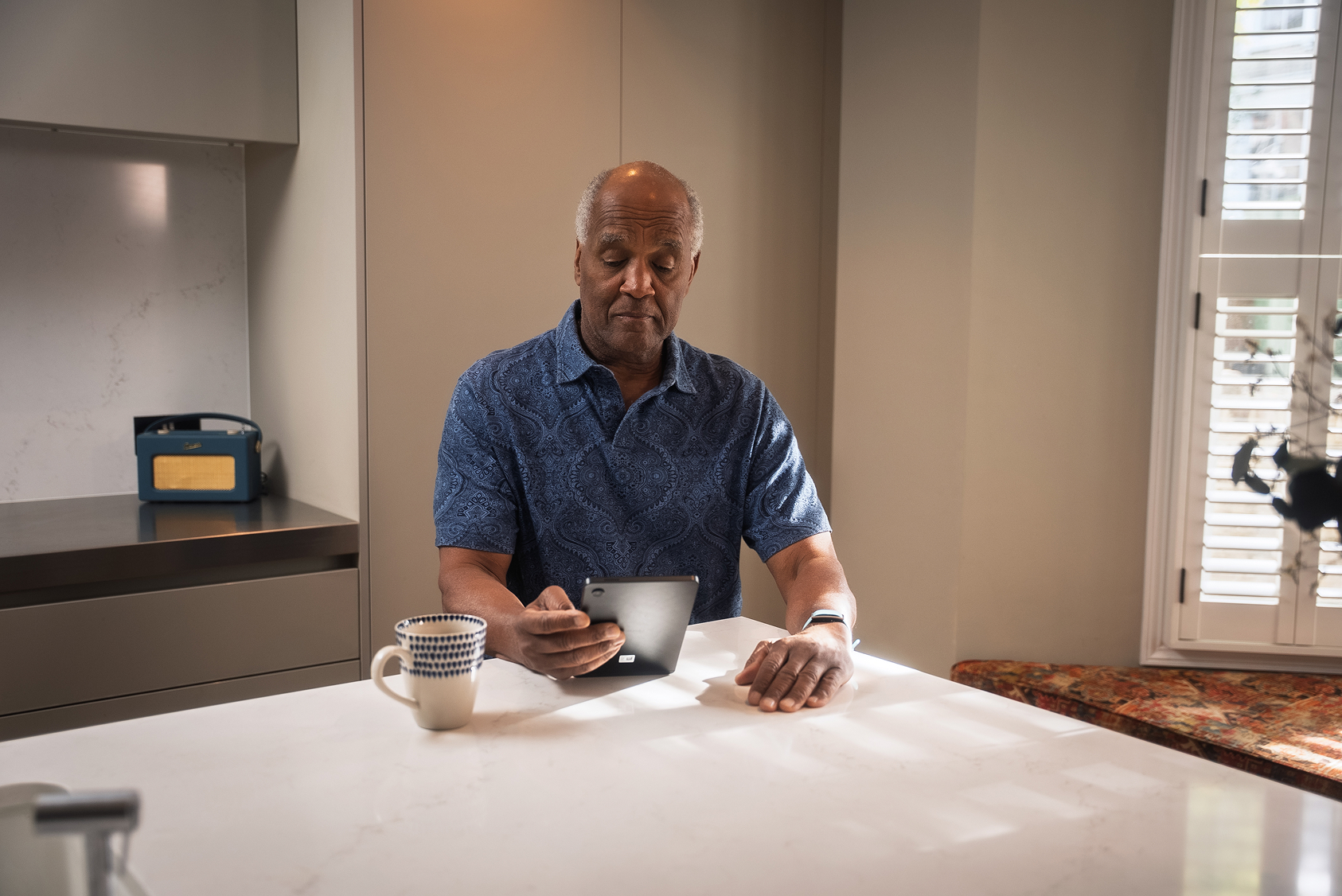
There is a common misconception that technology-enabled care won't work for older, sicker populations living with chronic diseases. Our data tells a different story. These patients aren't just capable of using technology, they are hungry for the additional layer of support it provides. For those who are less tech-literate, we have human-led processes that prevent digital exclusion and ensure no one is left behind.
There is also a legitimate concern that technology-enabled care could widen health inequalities but our model is designed to do the opposite. As a multi-neighbourhood provider proactively targeting need based on data that includes clinical condition and factors such as IMD deciles, we are able to reach those most at risk of inequalities. In our early proactive care programmes, we onboarded 2x the proportion of patients in the most deprived IMD deciles compared to what you'd expect from the general population.
A new benchmark for engagement
We benchmarked our outreach against international standards. In the fragmented US market, a 20% to 40% conversion rate of eligible patients is often seen as success when reaching out to lists of 1,000s of patients.
Because of the unique social contract between the NHS and its patients, and Doccla's sophisticated multi-modal approach (combining automated letters, SMS nudges, and human-led enrolment - all delivered by our team), we are currently seeing conversion rates of 50%+ within the first two months. We are operating as a learning organisation – constantly A/B testing our outreach and listening to patient feedback to refine our messaging. It's about using data and automation to make the human elements of care more efficient and impactful.
Scaling "neighbourhood" care
The Neighbourhood Health Framework published last month sets a national target of a 10% reduction in non-elective admissions for people with mid-to-severe frailty, care home residents, and housebound patients by March 2029. That’s the exact cohort we serve–and we think that ambition should be the floor, not the full ambition, based on our outcomes data to date.
But our experience also says to manage this kind of clinical risk safely at home and in the community through data-driven services, you need scale. By working across multiple neighbourhoods, alongside integrated neighbourhood teams, we can provide the 24/7 oversight and clinical rigour that monitoring these high-risk patients deserves.
And because our model is built around value-based care, where outcomes, not activity, drive payment, it aligns with where NHS commissioning is heading. By reducing non-elective admissions today, we are freeing up the system to reinvest further in neighbourhood care and prevention for more patient cohorts.
A huge thank you to our NHS partners and the tireless team at Doccla. 1,000 patients is just the beginning. We are proving that with the right data, the right technology, and a lot of heart, we can support people to stay well at home.

.png)